
For as long as I can remember, I’ve been fascinated by human ingenuity — that quiet, almost invisible force that shows up when people come together to solve problems that feel bigger than any one individual. Over the years, through my work in crowdsourcing and community building, I had a front-row seat to watch what happens when you create the right conditions for people to collaborate. Again and again, I saw ordinary teams do extraordinary things, not because they suddenly became more talented overnight, but because the environment around them finally allowed their potential to surface.
And yet, alongside those inspiring moments, there was a pattern I couldn’t ignore. For every team that found its rhythm, there were dozens more struggling with friction that no one could quite name. Projects moved slower than expected. Decisions took longer than they should. Alignment felt fragile. People worked hard, but the results didn’t always reflect the effort being invested. It didn’t matter whether the organization was a startup, a scale-up, or a global enterprise — the pattern was consistent and persistent.
Over time, one realization became impossible to ignore: the world doesn’t have a talent problem. It has a conversation problem.
When conversations don’t happen early enough, clearly enough, or often enough, assumptions quietly fill the gaps. People begin to guess what others mean. They interpret priorities differently. They operate based on incomplete context while believing they are fully aligned. No one intends to create confusion, yet confusion emerges anyway. That confusion slowly turns into invisible friction — the kind that drains energy, delays progress, and quietly compromises even the strongest teams.
When I met my co-founder Valer, this observation quickly became the center of our conversations. We both had experienced firsthand how misalignment creeps into organizations, how values can slowly erode not because people abandon them intentionally but because communication breaks down under pressure and speed. We talked about how many workplace challenges are framed as technical or operational problems when, in reality, they are deeply human ones. Teams rarely fail because they lack intelligence or motivation; more often, they struggle because expectations were never fully articulated, priorities were never fully clarified, and the right conversations never happened at the right time.
We kept coming back to the same thought: what if we could make meaningful conversations a continuous part of how teams operate, rather than something that happens occasionally when problems become impossible to ignore?
That question became the seed that eventually grew into Teracrowd.
 My belief in the power of crowdsourcing had already shown me what becomes possible when people collaborate openly at scale. The internet had proven it. Open-source communities had proven it. Entire movements had been built on the simple idea that collective intelligence can outperform isolated effort. But as powerful as crowdsourcing was, it still felt incomplete. It unlocked collaboration, but it didn’t yet fully integrate the technological capabilities that were rapidly reshaping how we work.
At the same time, artificial intelligence was evolving at an astonishing pace, offering new ways to augment human capability, while spatial computing began redefining how we interact with digital environments and each other. As we looked at these trends together, it became clear that a new form of collaboration was emerging — one where human teams and AI agents could work side by side in ways that were previously impossible.
We began imagining a future where alignment is not a quarterly event but a continuous process, where clarity is not something teams chase but something they live inside, where the next step is always visible and progress feels tangible instead of abstract. We imagined a world where work begins to feel less like a collection of disconnected tasks and more like a coordinated team sport, where everyone understands the bigger picture and their role in advancing it.
The name Teracrowd emerged from that vision. “Tera” represents scale — the trillions of interactions, decisions, and opportunities that exist within modern organizations. “Crowd” represents the collective intelligence that emerges when individuals work toward a shared direction. Together, the name reflects a belief that the future of work will be powered by collaboration at massive scale, amplified by technology but deeply rooted in human potential.
As we explored the problem space more deeply, we became increasingly aware of how much energy organizations lose to misalignment. Entire days are spent clarifying priorities that could have been clear from the start. Projects stall because the next step is ambiguous. Teams duplicate effort because information is fragmented. Leaders struggle to maintain momentum while navigating constant context switching. None of this shows up clearly in financial reports, yet the cost is enormous and persistent.
We became obsessed with the idea that ambition should translate into visible progress, that big goals should naturally flow into concrete next steps, and that momentum should feel natural rather than forced. When direction is clear, hesitation fades. When progress is measurable, confidence grows. When the next action is visible, teams move forward with energy instead of uncertainty.
At the same time, we knew technology alone would never be enough. Human dynamics had to remain at the center. The best teams thrive in environments where people feel safe to share ideas, challenge assumptions respectfully, and recognize each other’s contributions. Performance is not only about productivity; it is about sustainability, trust, and the ability to maintain energy over the long term.
This belief shaped everything we set out to build. We wanted to create something that helps teams maintain clarity, alignment, and momentum while preserving the human elements that make collaboration meaningful and energizing.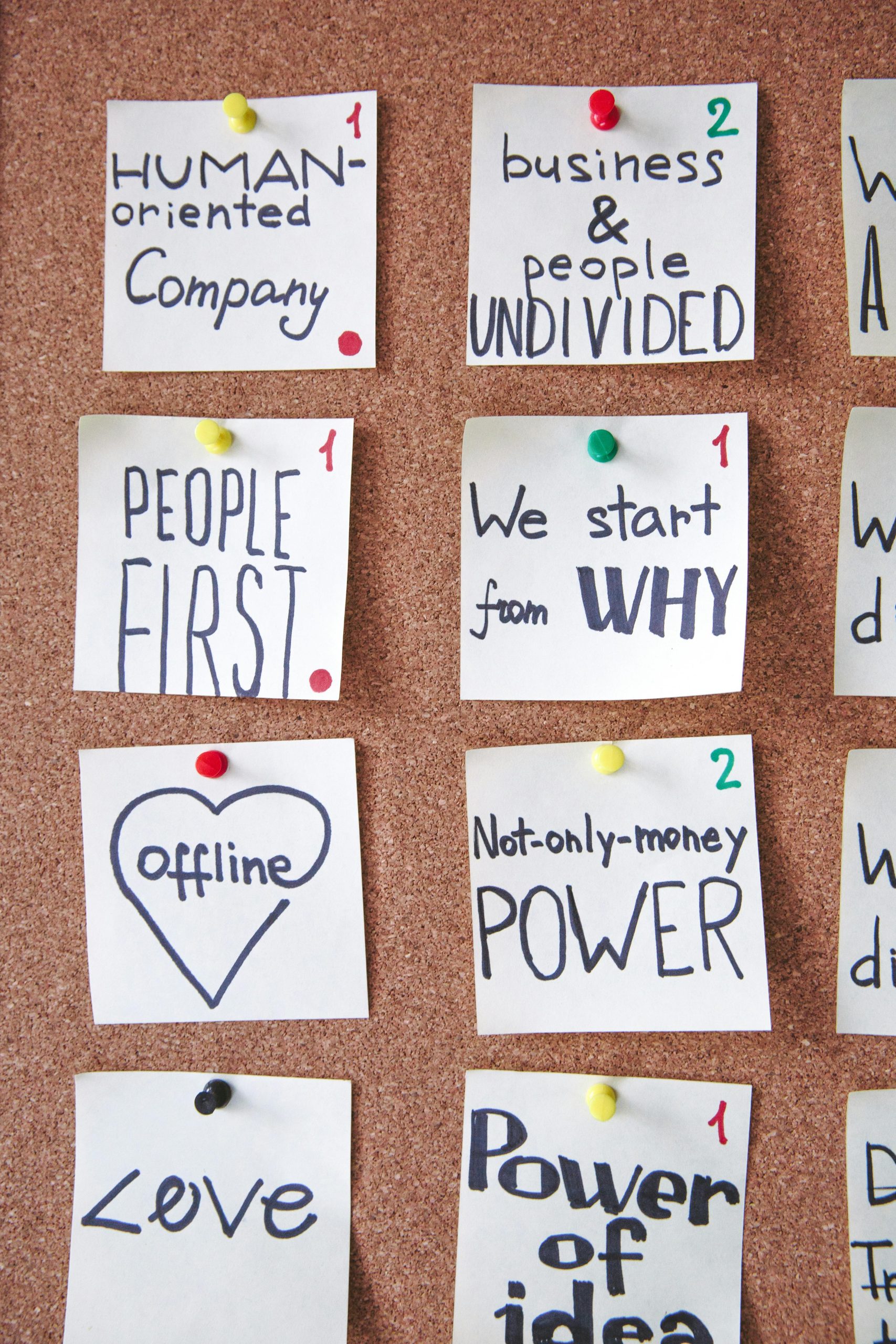
We also became deeply convinced that work should energize people more often than it exhausts them. The most effective teams operate in a rhythm where challenges stretch their capabilities without overwhelming them, where progress feels achievable and meaningful, and where clarity removes unnecessary stress. Helping teams operate in that space consistently became a guiding principle for us.
Teracrowd ultimately started with a simple idea: better conversations create better outcomes. But as the vision expanded, it became clear that we were building toward something much larger — a future where human ingenuity is amplified by collaborative intelligence, where organizations operate with greater clarity and alignment than ever before, and where the full potential of people working together is finally unlocked.
We didn’t start Teracrowd because the world lacks talent. We started it because the world has not yet unlocked the full power of collaboration, and we believe the opportunity ahead is far greater than most people realize.